
How We Built a 13 Minute Art Deco 3D World Without Generative AI: The Making of Playing to Survive
ALL ANIMAL · STUDIO
3D · BLENDER · ART DECO · VON CRAMM · PLAYING TO SURVIVE · ANIMATION

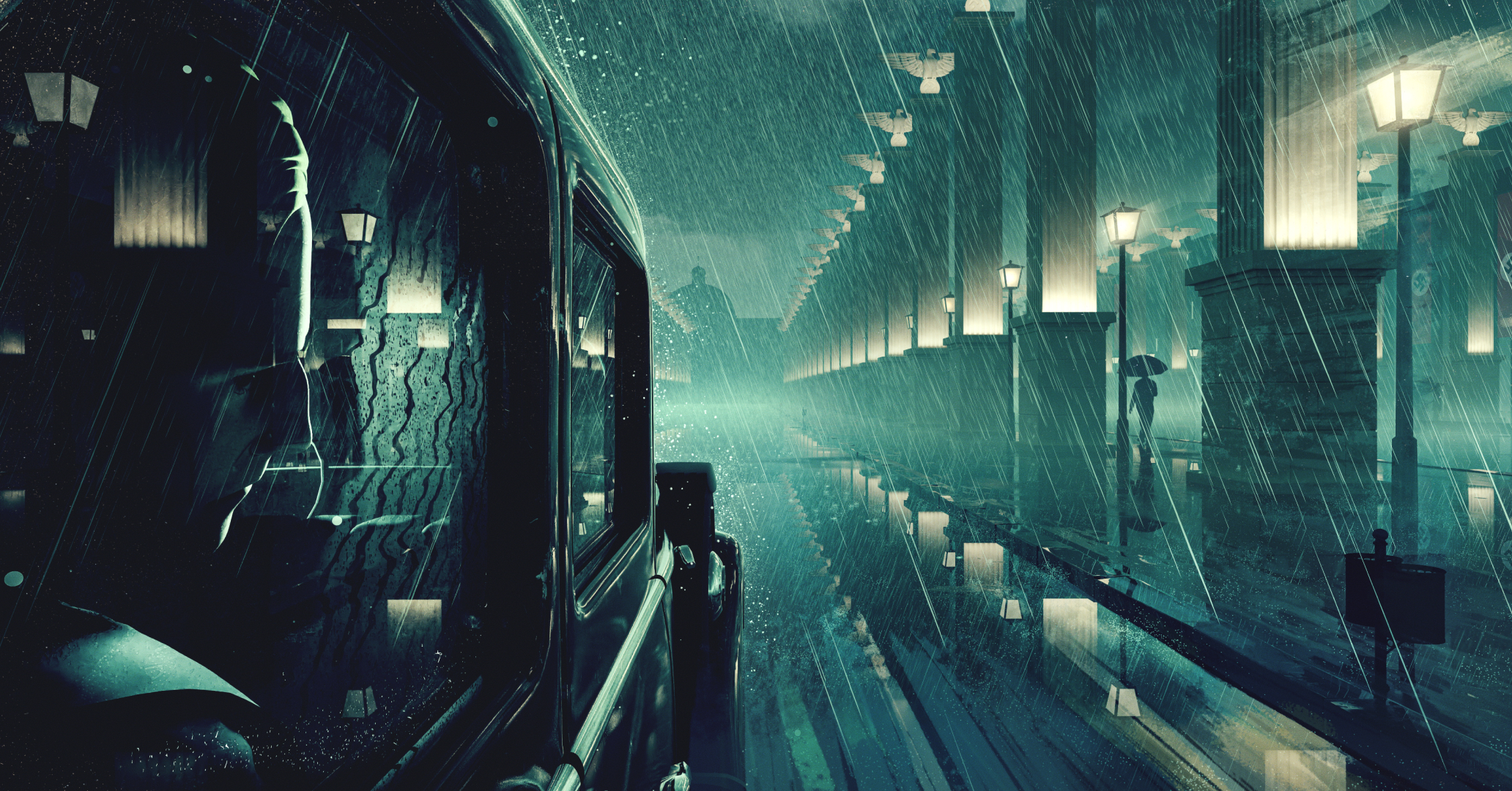
When viewers first see the animated sequences in Playing to Survive: Cramm vs Hitler, the reaction usually centers on the technique. People often ask whether it is vector art, cel shading, or if there is some AI styling happening under the hood. The short answer is that every single frame across these 13 minutes and 113 shots was built by human hands. Behind that clean graphic look was an intense 18 month production journey for our team at All Animal Studio.
Here is how we built the pipeline, solved a major character design bottleneck, filmed live reference footage, and made modern Blender look like a hand printed 1930s poster without relying on render farms or generative AI for the artwork.




The Production Bottleneck: Scaling Beyond Initial Artwork
The project started in 2022 when director Annette Baumeister and producer Chet Thomas from FletchArts reached out to create animated sequences for a feature documentary on Gottfried von Cramm. He was a 1930s German tennis champion who defied the Nazi regime while hiding his identity as a gay man.
Our 3D artist Jan Reeh took the initial contact, set up early look development tests, and brought in Ondrej Skalnik to lead the 3D pipeline. The project began with a series of mood paintings commissioned by the production to capture the atmosphere of 1930s Germany. Jan and Ondrej brought those paintings into Blender, rebuilding them directly in 3D to prove that the painterly style could function in three dimensional space with real cameras and depth.

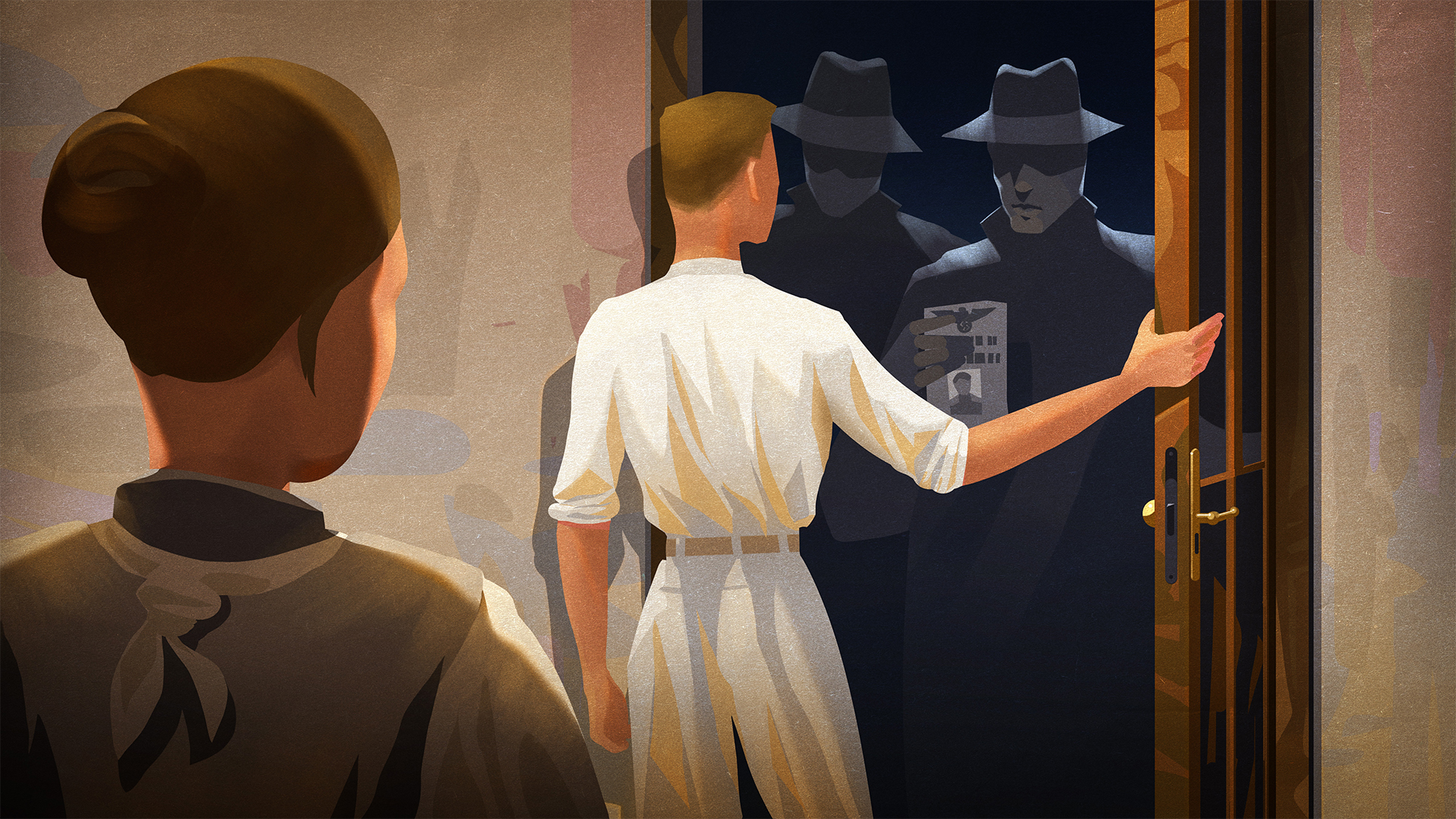

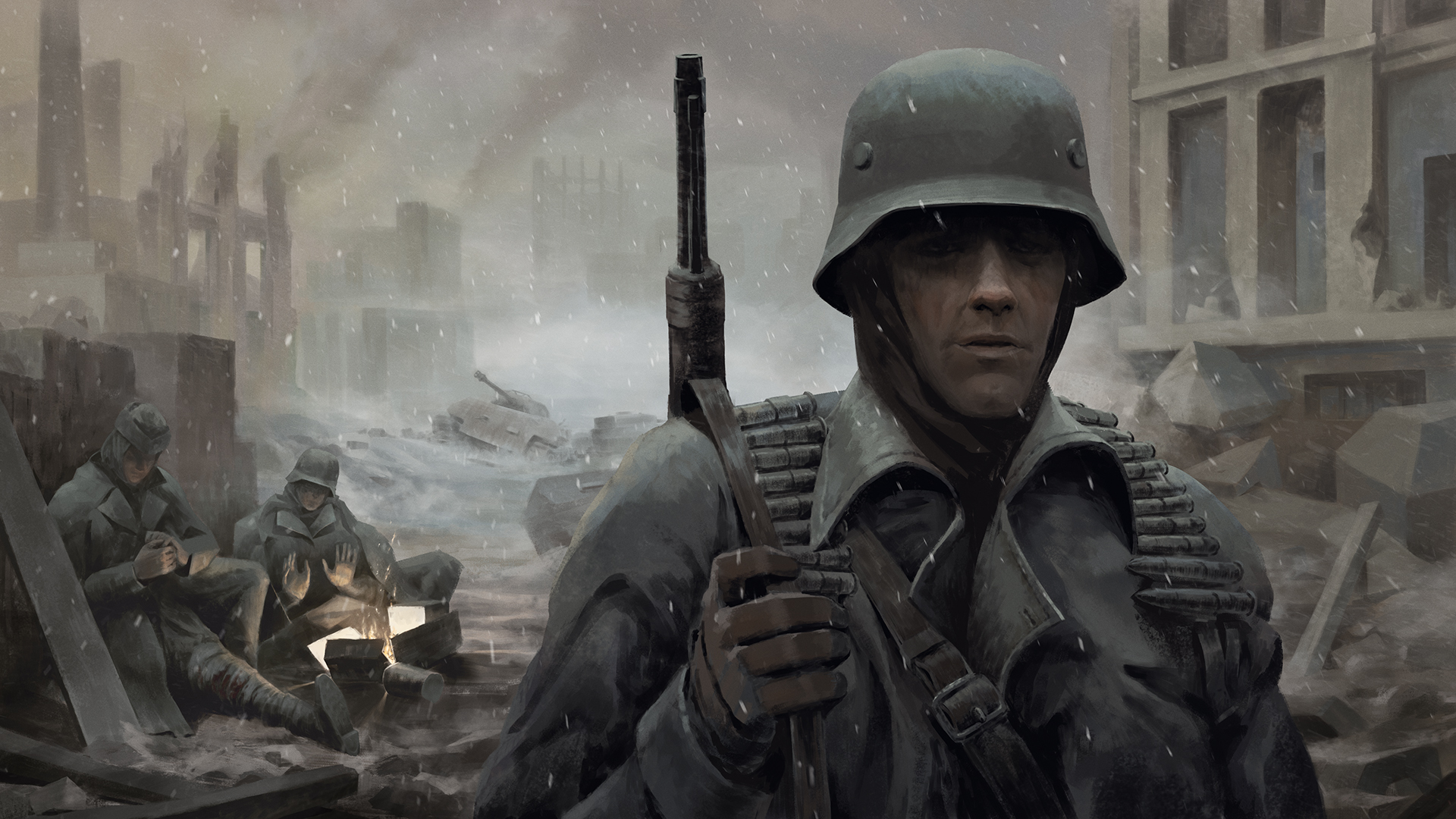

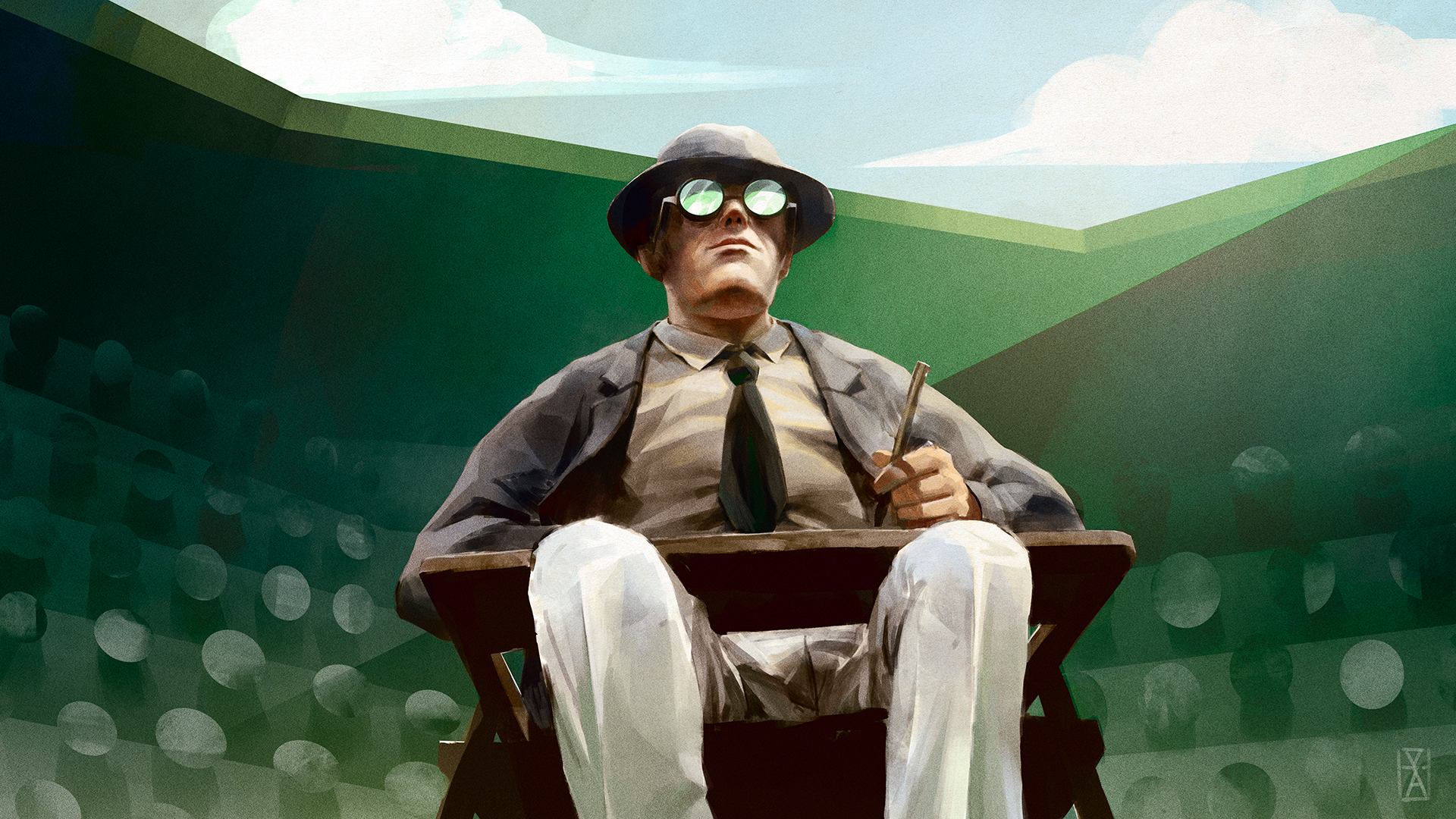

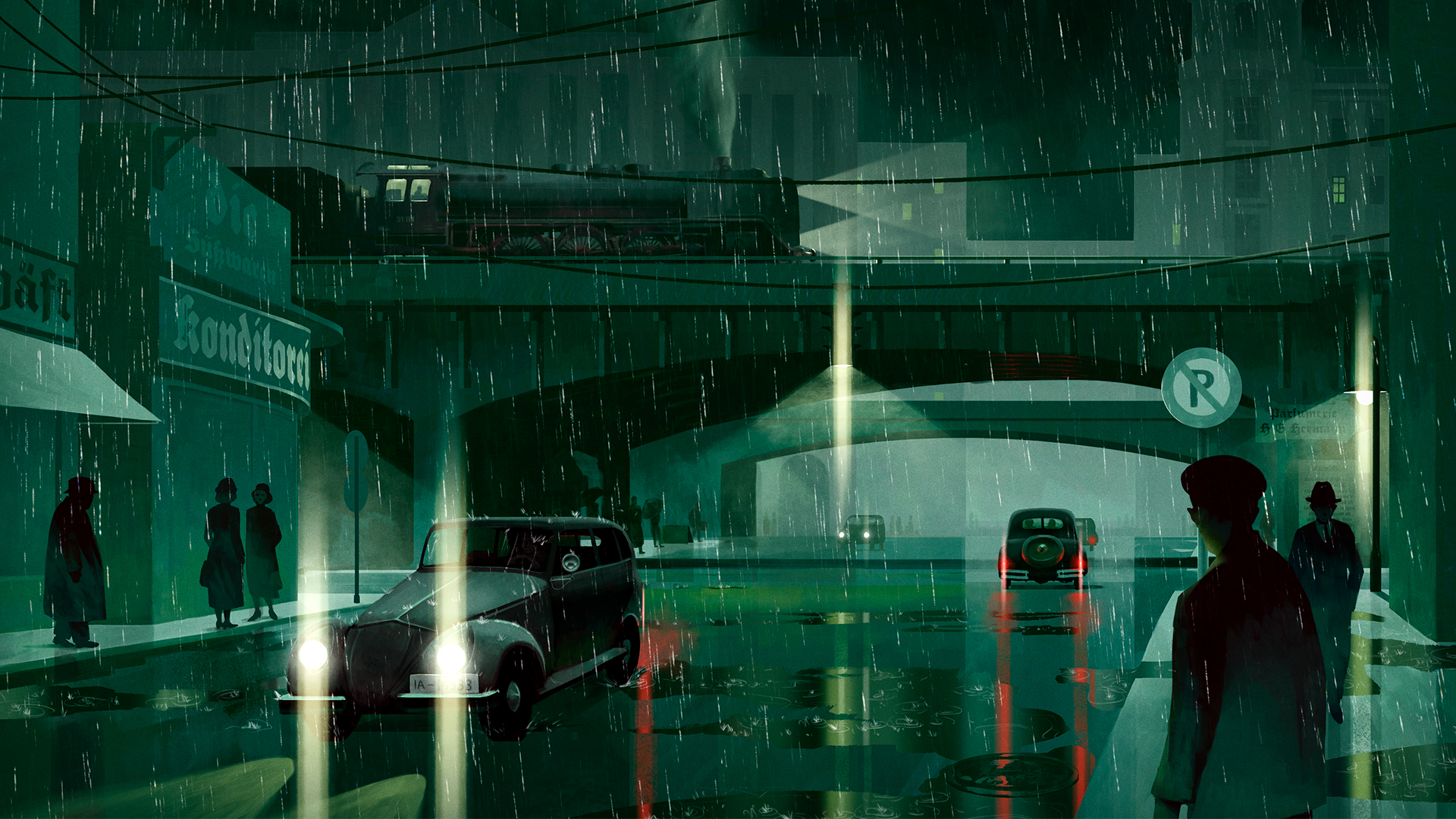

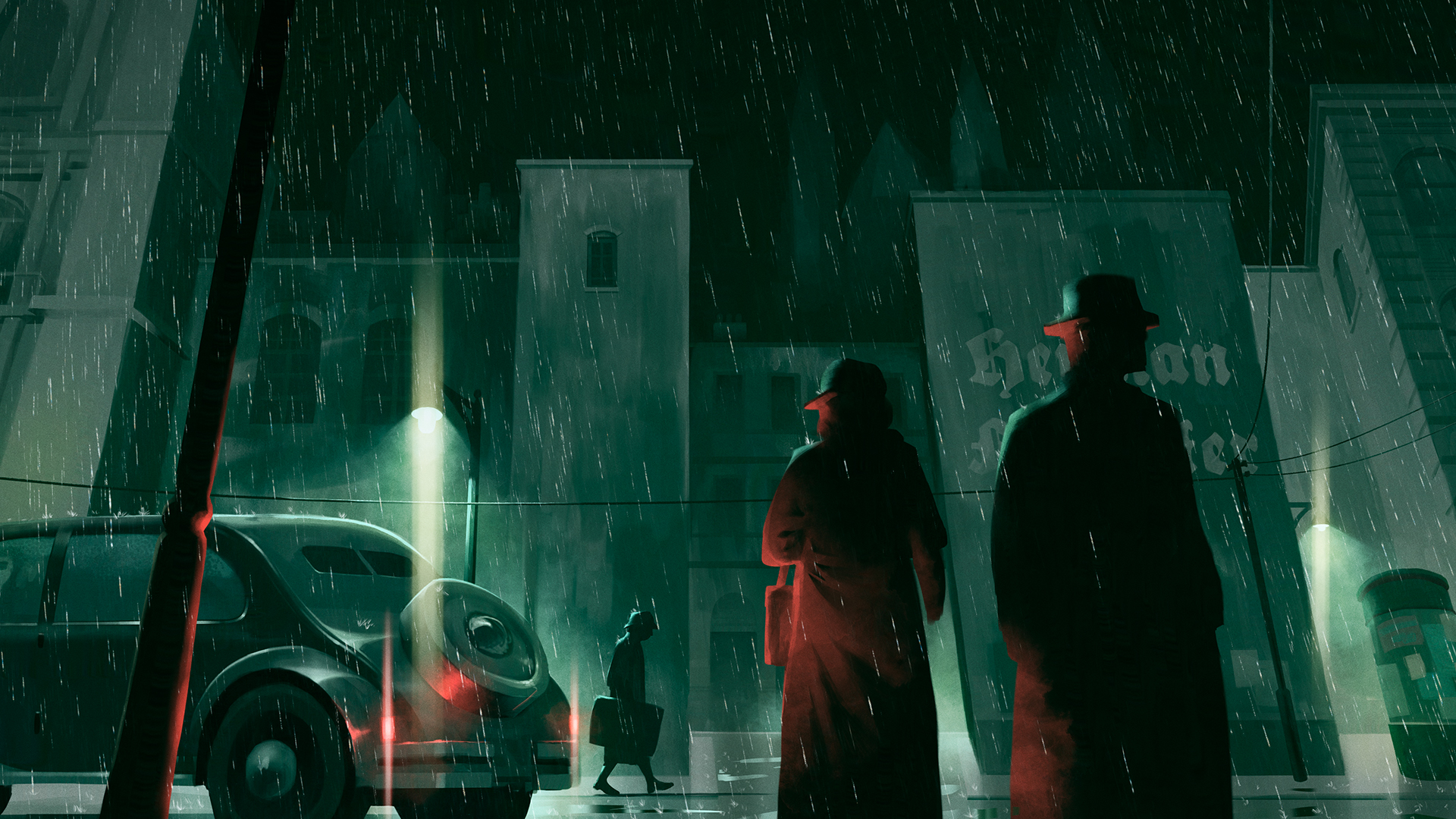
The core pipeline challenge hit right after when the initial visual references were complete, leaving us with a handful of images and over a hundred production shots left to build. To explore ways to scale the style quickly, we briefly tested running raw 3D passes through AI based styling filters.
Director Annette Baumeister stepped in with a clear creative boundary. She emphasized that AI tools evolve so fast that the output risks looking dated very quickly, whereas this film needed a visual language that stays timeless. That set our direction. While our studio actively uses AI and custom scripting for backend tooling, pipeline automation, and utility code, the visual craft itself had to remain strictly human driven.
Character Likeness: The Orthographic Reset
Because these animated sequences intercut directly with actual archival footage, getting the likeness of Gottfried von Cramm right was critical. However, unlike typical stylized production characters, Gottfried lacked extreme or exaggerated features. From certain camera angles the 3D model worked well, but rotating the camera slightly made the likeness break down.
Ondrej Skalnik and animation director Vaclav Krbusek spent weeks refining the head geometry. Client feedback emphasized a delicate balance. The character needed to feel authentic to history, yet elegant and expressive enough to carry dramatic weight across silent, emotional beats.
Rather than continuing with isolated tweaks, we reset the process. We compiled a comprehensive reference board of every available historical photograph, categorized strictly by orthographic angles including fronts, profiles, and three quarter views. Sitting down as a team, we adjusted the facial topology millimeter by millimeter until the mesh held its identity consistently across all lighting conditions and camera focal lengths.
From Live Action Footage to 3D Animation
To ensure the human drama and spatial acting felt grounded, we did not rely solely on keyframe imagination. Before animating the complex multi character scenes, we staged and filmed the sequences using real people as live action reference footage.
Acting out the scenes in a studio allowed us to capture subtle human timing, natural posture changes, and real spatial interaction. Our animators then used these video references as a foundation to block out the performance in Blender.
This technique bridged the gap between stylized 3D graphics and authentic documentary performance. It allowed us to keep the motion feeling believable without losing the expressive, Art Deco look of the characters.
Material and Motion Engineering: Killing the Specular
To transform clean 3D renders into something resembling vintage paper art, Ondrej designed a custom material and rendering setup in Blender. We started by removing all glossiness and specular reflections from the shaders, flattening how light reacted with surfaces. Concept artist Adam Kanovsky drew subtle line work directly into the surface textures, giving geometric edges a hand inked quality. We also incorporated a fine white rim line around character silhouettes, visually separating them from the background like paper cutouts layered over a print.
To capture authentic tennis motion from the era, animator Tom Stockinger analyzed historical footage frame by frame, while team members took actual tennis lessons to understand how weight and torque transfer through a racket stroke.
Translating the visual style into motion came down to a dual frame rate setup. Standard 24 fps across the board felt too smooth and digital, but a blanket drop drained speed from high energy actions. Our solution was to keep the camera operating at 24 fps for smooth environmental tracking while locking character animations to 12 fps, achieving the exact stepped vintage cadence we wanted.
To bridge the gap, animator Jachym Nadvornik hand painted 2D motion blur directly onto individual 3D frames. Combined with subtle frame warping, this broke the rigid geometry of standard digital vectors and gave the motion a tactile hand crafted feel.
Building Without a Safety Net
When we started production, our pipeline was still evolving. We did not have dedicated technical directors or external render farms. Lighting, rendering, cloth simulations, and compositing passes were executed manually by a lean core team, including Marek Stolun on color grading and Jan Reeh building specific photorealistic props like the period typewriter.
At the time, this was by far the largest and most complex project our studio had ever taken on. While the manual friction was demanding, we thoroughly enjoyed every step of the process and learned an incredible amount as a team. That shared journey is precisely why the finished frames carry weight, texture, and a sense of physical craft.
Making of Playing to Survive: Von Cramm vs Hitler
Looking for the full case study and high res production stills? You are exactly one click away.

Author
ALL ANIMAL
STUDIO
We’re ALL ANIMAL™ — a CGI and 3D animation studio turning imagination into motion. Trusted by Blizzard, Ubisoft, and other visionary studios and brands.